
Simplest Homemade Pad Thai Recipe is a quick and comforting dish that brings a taste of Thailand straight into your kitchen. You can whip it up on any busy weeknight or when you want to impress friends with minimal fuss. Its blend of savory, sweet, and tangy flavors combined with tender noodles makes it a crowd-pleaser every time.

Jump to:
Why This Recipe Works
This Simplest Homemade Pad Thai Recipe hits the perfect balance between ease and authentic flavor. It brings together every element-thick yet tender noodles, a bright, balanced sauce, fresh crunchy veggies, and just the right amount of protein. You'll find that all these pieces come together quickly and confidently, leaving you with a dish that tastes much more complex than the effort required.
- Consistent Texture: Soaking the noodles precisely ensures they cook evenly without turning mushy or stiff.
- Deep, Balanced Flavor: The homemade sauce blends tamarind's tang with palm sugar sweetness and a savory fish sauce kick.
- Simple Ingredients: Using pantry staples and fresh produce keeps the process straightforward and accessible.
- Fast Prep, Big Payoff: From chopping to plating, this recipe fits into under 30 minutes but delivers a restaurant-quality meal.
Ingredient Game Plan

Choosing the right ingredients will make all the difference - I always start with fresh shrimp and quality rice noodles to get those authentic textures. The sauce ingredients may seem a little unusual if you haven't cooked Thai before, but finding good tamarind paste and palm sugar is worth it for that true flavor.
- Pad Thai Rice Stick Noodles: Look for dried medium-width noodles for classic texture; avoid over-soaking to keep them firm.
- Shrimp: Fresh or thawed shrimp gives the best sweetness; peel and devein for tenderness.
- Shallot and Garlic: Thinly sliced shallots cook quickly and add subtle sweetness; fresh garlic brings aromatic warmth.
- Fried Tofu: Use firm tofu already fried or pan-fry yourself so it holds shape and adds bite.
- Mung Bean Sprouts and Scallions: Fresh and crunchy for garnish and mix-ins, providing crisp contrast to soft noodles.
- Sauce Ingredients: Tamarind paste, palm sugar, fish sauce, oyster sauce, and dark soy sauce all combine for a perfect, layered taste.
Quick Note: Exact measurements are in the printable recipe card at the bottom.
How to Cook Simplest Homemade Pad Thai Recipe
Step 1 - Prep & Season
Start by soaking your dried Pad Thai noodles in boiling water for about 5 minutes-just enough to soften them but not make them limp. I always keep a close eye because leaving them longer causes mushiness, which is a bummer for that perfect bite. After soaking, rinse with cold water to stop them from cooking further, then set aside. While the noodles rest, whisk together your sauce ingredients: tamarind paste, palm sugar, fish sauce, oyster sauce, dark soy sauce, and a bit of water. This sauce is the magic behind the dish, so stirring it well until the sugar dissolves is crucial.
Step 2 - Build Flavor
Heat a tablespoon of oil in your pan over medium-high heat and cook your shrimp until they turn a gorgeous pink and become opaque. It only takes a couple of minutes-don't overcook or they'll get rubbery. Set them aside and crank up the heat a bit more. Add a little more oil, then toss in sliced shallots, garlic, and fried tofu. Stir-fry until they smell fragrant and the shallots are just golden. Next, crack in your eggs and scramble quickly; this adds silky texture and richness to the mix. Keep everything moving in the pan so your eggs cook evenly without clumping.
Step 3 - Finish for Best Texture
Now, add the drained noodles to your pan along with the prepared sauce. Toss everything vigorously so the noodles get coated with that glossy, flavorful sauce. You'll notice how beautifully everything comes together here-the noodles soak up just the right amount of umami. Toss in the shrimp, chopped scallions, mung bean sprouts, and crushed peanuts, then stir for another 1 to 2 minutes to warm everything through and combine flavors. The shrimp should be heated but still tender, and the bean sprouts will add a fresh crunch that's irresistible.
Pro Moves I Swear By
When I first started making Pad Thai at home, it was all about timing and juggling ingredients. These tips have helped me, and I'm confident they'll make your cooking smoother too.
- Doneness Cue: Watch the shrimp carefully-they're done as soon as they turn pink and curl slightly.
- Temperature Trick: Use a hot pan so ingredients sear quickly and get that appealing slight char without steaming.
- Make-Ahead Move: Prep your sauce and chop all ingredients before heating your pan. It makes the stir-fry flow without pauses.
- Skip This Pitfall: Avoid soaking the noodles too long or cooking on too low heat-you want springy noodles and that vibrant, spicy-tangy finish.
Serve It Up

Finishing Touches
I love topping my Pad Thai with plenty of fresh bean sprouts, a wedge of lime for squeezing over, and a generous sprinkle of crushed peanuts for crunch. Chili powder is optional, but I find it brings just the right heat and color. These garnishes add texture and brightness that balance the savory noodles beautifully, making each bite interesting.
Great Pairings
A simple cucumber salad or light green salad with a tangy dressing pairs wonderfully to refresh the palate. You could also serve it alongside fresh spring rolls or a cold Thai iced tea to round out the meal. These sides bring contrast in temperature and texture, enhancing your entire dining experience.
Easy Plating Wins
For a casual dinner, a colorful dinner plate sprinkled with chopped peanuts and fresh herbs looks inviting. On special occasions, try serving the Pad Thai in neat nests with lime wedges artistically arranged and a sprinkle of chili threads for visual appeal. The golden edges of noodles and vibrant veggies always shine when plated thoughtfully.
Make-Ahead & Storage
Storing Leftovers
Store any leftovers in an airtight container in the fridge for up to 2 days. You might notice the noodles absorb more sauce and get softer over time, so gently stir before reheating to redistribute moisture.
Freezer Notes
This Simplest Homemade Pad Thai Recipe isn't the best candidate for freezing because the texture of the noodles and fresh ingredients can break down. If you must, freeze the cooked noodles and sauce separately without bean sprouts or herbs, then thaw in the fridge before reheating.
Reheating Simplest Homemade Pad Thai Recipe Without Drying Out
Reheat gently in a skillet over medium-low heat, adding a splash of water or extra sauce to keep noodles glossy and moist. You can also use a microwave on medium power in short bursts-cover with a damp paper towel to trap steam. Avoid overheating to keep the shrimp tender and sauce fresh tasting.
Frequently Asked Questions
Absolutely! Chicken breast or thigh cut into thin strips works well if cooked thoroughly. For a vegetarian version, extra firm tofu either fried or grilled is a great choice. Just adjust cooking times accordingly to ensure proper doneness.
Tamarind paste and palm sugar are common in Asian grocery stores and many supermarkets now carry them in the international aisle. You can also order online. If you substitute, try lime juice for tamarind and brown sugar for palm sugar, but the flavor won't be quite the same.
Soaking noodles just until pliable and rinsing under cold water immediately stops cooking and keeps them separate. While tossing in the pan, moving them around frequently with a spatula helps prevent clumping.
Definitely! Adding chili powder on top or mixing in a spoonful of chili garlic sauce to your sauce brings heat. You can control spice levels to your taste by adjusting these additions.
Final Thoughts
Making this Simplest Homemade Pad Thai Recipe at home has always felt like a little celebration to me-a delicious, quick meal that turns everyday ingredients into something special. You'll enjoy how the layers of flavor and textures come together with surprisingly little effort. With these clear steps and tips, I'm confident you can make a beautiful, authentic Pad Thai that hits all the notes every time. So go on, gather those ingredients, and let's get cooking!
PrintComplete Recipe
Simplest Homemade Pad Thai Recipe
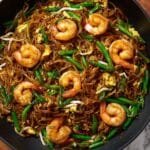
This Simplest Homemade Pad Thai recipe delivers authentic Thai flavors with minimal effort and ready in just 25 minutes. Featuring the perfect balance of tangy tamarind, savory fish and oyster sauces, and fresh ingredients like shrimp, tofu, and mung bean sprouts, this classic stir-fried noodle dish is garnished with crunchy peanuts and a splash of lime for a truly satisfying meal.
- Prep Time: 15 minutes
- Cook Time: 10 minutes
- Total Time: 25 minutes
- Yield: 2 servings
- Category: Main Course
- Method: Stovetop
- Cuisine: Thai
Ingredients
Main Ingredients
- 120g dried Pad Thai rice stick noodles
- 100g shrimp
- 1 shallot, thinly sliced
- 4 cloves garlic, minced
- ½ block fried tofu, cubed
- 1 cup mung bean sprouts
- 2 stalks scallions, chopped
- 2 eggs
Sauce
- ¼ cup water
- 2 tablespoon tamarind paste
- 2 tablespoon palm sugar
- 2 tablespoon fish sauce
- 1.5 tablespoon oyster sauce
- 1 tablespoon dark soy sauce
Garnish
- Bean sprouts
- 1 lime wedge
- Crushed peanuts
- Chili powder (optional)
Instructions
- Soak the noodles: Soak the 120g dried rice stick noodles in hot boiling water for 5 minutes, ensuring not to exceed 6-8 minutes to avoid mushiness. Rinse under cold water and set aside.
- Prepare the sauce: In a bowl, combine ¼ cup water, tamarind paste, palm sugar, fish sauce, oyster sauce, and dark soy sauce. Stir well and set aside.
- Cook the shrimp: Heat 1 tablespoon cooking oil in a pan over medium-high heat. Spread the shrimp evenly and cook until pink and opaque, about 2 minutes. Remove and set aside.
- Sauté aromatics and tofu: In the same pan, add 2 tablespoons oil over high heat. Add shallots, garlic, and fried tofu. Sauté for about 1 minute until fragrant and lightly golden.
- Cook the eggs: Crack in 2 eggs to the pan and scramble them quickly, stirring continuously to combine with the sautéed ingredients.
- Add noodles and sauce: Toss the soaked noodles into the pan, then pour the prepared sauce over everything. Stir to coat all noodles evenly and achieve a glossy finish.
- Combine remaining ingredients: Add the cooked shrimp, chopped scallions, mung bean sprouts, and crushed peanuts. Toss thoroughly for another 1-2 minutes.
- Plate and garnish: Serve the Pad Thai on plates, topping with fresh bean sprouts, a lime wedge, extra crushed peanuts, and a sprinkle of chili powder if desired. Adjust seasoning to taste and enjoy.
Notes
- Soaking noodles properly prevents them from becoming mushy during cooking.
- If tamarind paste is unavailable, substitute with lime juice mixed with a little brown sugar.
- Use firm tofu and fry it beforehand to maintain texture.
- Adjust chili powder to preference-start with a small pinch if unsure about spice tolerance.
- This recipe can be made vegetarian by omitting shrimp and using vegetarian oyster sauce.
- Use palm sugar for authentic sweetness; brown sugar can be a substitute in a pinch.


Leave a Reply